Looking for a fal alternative? Keep fal. Stop depending on fal.
fal is one of the best generative-media inference platforms there is, and Wakemark runs on top of it. If you're searching for a fal alternative, you probably don't want a different model host — you want to not be pinned to a single one, with outputs on someone else's CDN and no audit trail. That's a layer above fal, not a replacement for it.
fal = supplier · Wakemark = the layer above it · we don't compete with fal, we depend on it well

A quick tell that this is an honest comparison page: our own internal docs list fal under "suppliers," not "competitors." Wakemark calls fal's API to make real images and video — one of the five renders further down this page came off fal. So if you landed here searching "fal alternative," the useful question is probably not which host do I switch to, but what do I put above the host so I'm not depending on any single one of them.
What fal is genuinely for
fal is a generative-media inference platform: serverless GPU inference with a large catalog — FLUX for images, Kling for video, and a great many more — behind one developer-friendly API, billed by usage (per-image or per-megapixel for images, per-second or per-video for video, hourly for raw GPU). It is fast, it is broad, and for a lot of teams it is the right and only thing they need. None of what follows is a knock on fal. It's a description of a different job.
The relevant fact for a production system is quieter: fal serves outputs from its own CDN, and keeps generated media for about seven days by default (fal documents the window as configurable via a lifecycle header, and stores request payloads for 30 days). That is a completely reasonable trade for an inference company — storing everyone's outputs forever is a cost center they never signed up for — but it means a fal URL is a countdown, not storage.
What a single model host structurally can't do
The important word is structurally. These aren't features fal forgot to build; they're things a single-provider business can't do without ceasing to be one:
Fail over to a competitor
Vouch for a step it didn't run
Hold your bytes neutrally
Be an audit company
The pitch was never "leave fal." It's "keep fal, and stop depending on fal."
The part most comparison pages hide: routing is insurance
Here is where we'll concede the thing a fal engineer would say first. Cross-provider routing is the entry ticket, not the moat. In generative media the same models cost roughly the same wherever you run them, so routing is mostly insurance— and insurance rarely fires. Most days, your traffic goes to your preferred provider and nothing fails over. If routing were the whole pitch, a single great host like fal would be the simpler choice, and we'd tell you so.
Routing matters on the two days a year it matters — the 429 that always comes at launch — and it's cheap to have and painful to lack. But the reason to put a layer above fal isn't the routing. It's what the layer records while it routes: byte-exact custody and provenance.
Side by side, honestly
| Capability | Wakemark | fal |
|---|---|---|
| Model catalog & inference speed | We route to fal (and others) — fal's catalog is fal's strength, and we lean on it. | Large, fast catalog behind one API. This is what fal is best at. |
| One clean API across models | One API across every connected provider, with capability routing. | One API across fal's own catalog. |
| Raw inference price | Same models, ~same price — never a markup on routed spend (you bring your keys). | Competitive usage-based pricing; you pay fal directly. |
| Cross-company failover | Fail a job over to a different provider on a 429/outage. | Single-provider by design; can't fail over to a rival cloud. |
| Custody in your own bucket | Outputs streamed byte-exact into your bucket, your keys, indefinitely. | Served from fal's CDN; generated media kept ~7 days by default. |
| Provenance receipt & audit ledger | Append-only ledger, per-asset sha256, lineage, a /verify receipt per job. | Not offered — fal is an inference platform, not an audit one. |
| Article 50 marking workflow | Designed to support it: preserve, detect, log. We don't yet sign or watermark. | Out of scope for a model host. |
Proof that we mean "run on top of," not "replace": three real renders from three different providers — a fal video, a Replicate still, an OpenAI still — all streamed into byte-exact custody through Wakemark's own adapters. The full one-prompt-through-five-providers proof lives on the comparison overview.
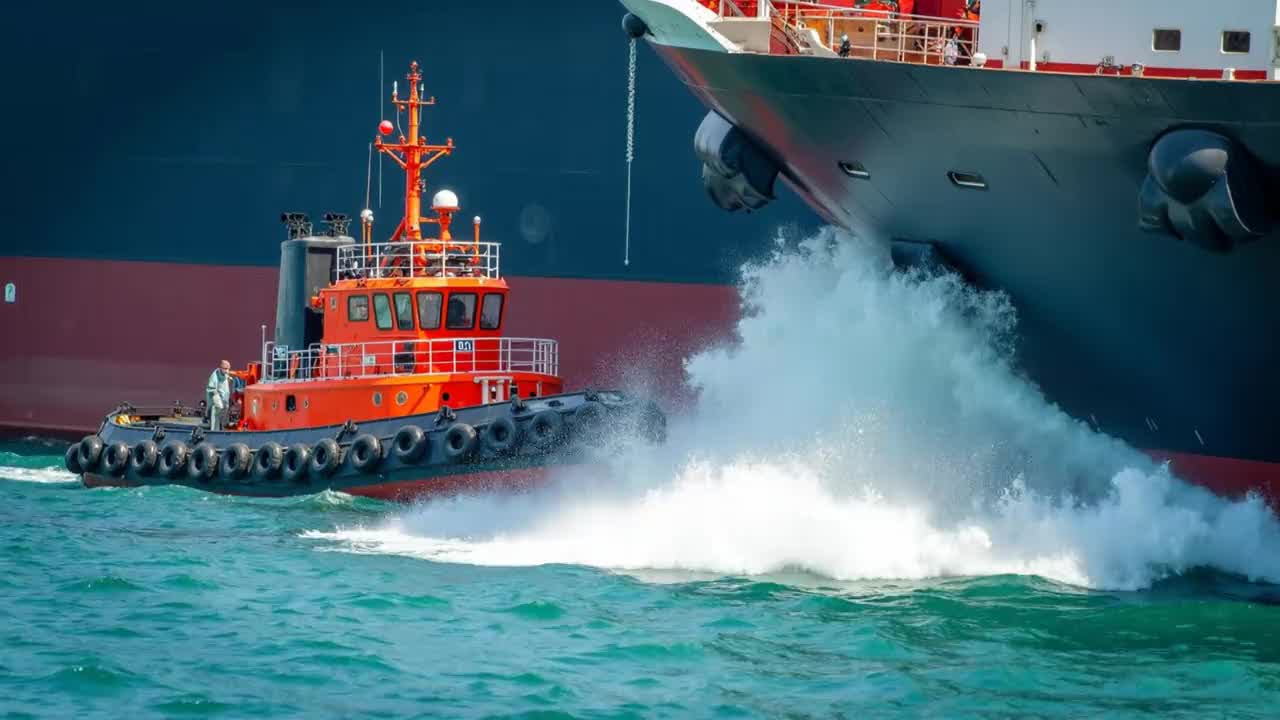

Real pipeline outputs — model + provider named per tile; job ids and sha256 live in the showcase manifest, not in a caption.
Keep your provider. Stop depending on it.
Wakemark is one API above the providers you already use — capability routing with cross-provider failover, byte-exact custody in your own bucket, and an append-only audit ledger with a provenance receipt under every job. Designed to support Article 50 workflows; it does not, by itself, make any system meet any regulation.
Sources
Links verified 2026-07-10
- fal — pricing — usage-based: per-image / per-megapixel, per-second / per-video, hourly GPU
- fal — data retention & media expiration docs — generated media configurable; request payloads stored 30 days by default
- fal — FAQ (default media retention) — generated files available at least 7 days by default
- Wakemark — output retention: what providers keep, and for how long